Interactive Program · Ages 5–12 · Empathy & Kindness

Empathy Builder Lab

A guided interactive program that helps children understand feelings — their own and others' — and practice the kind, thoughtful responses that build lasting relationships.

$19one-time · instant access

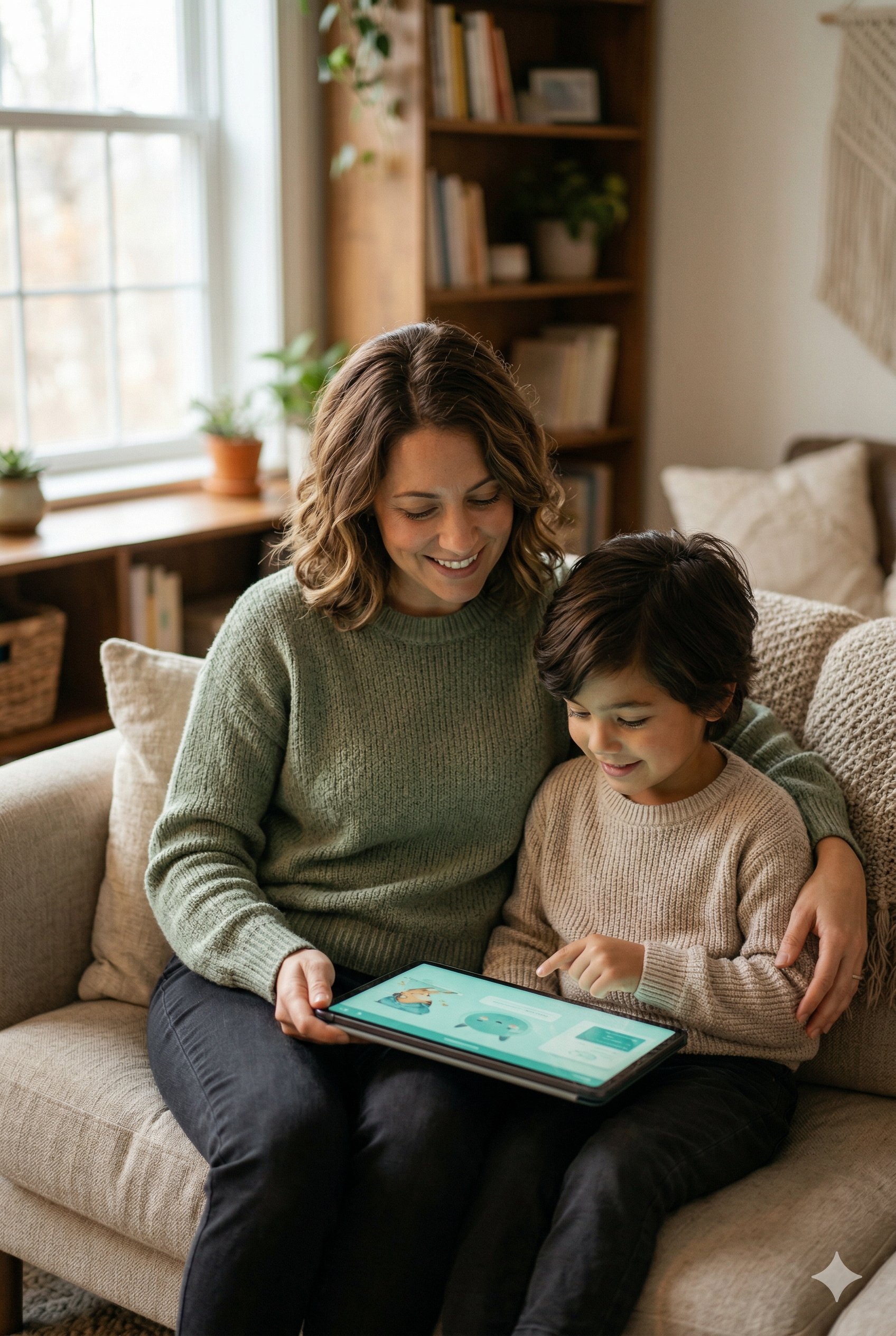
Parent and child using Empathy Builder Lab together
"They don't seem to notice when someone else is upset. They react but they don't connect."

Empathy is not simply being nice — it is a skill that develops through guided experience and reflection. Children who struggle with empathy are not unkind. They often simply haven't been given a structured way to notice, understand, and respond to the feelings of those around them.

Empathy Builder Lab gives children that structure — a gentle, guided journey through understanding emotions in themselves and others, with practical activities for putting empathy into action.

What parents and teachers notice:

Difficulty seeing a situation from another person's perspective

Reacting without first considering how their words or actions affect others

Struggles with sharing, taking turns, or recognizing when someone is upset

Conflict with siblings or classmates that stems from a lack of perspective-taking

A child who is not unkind — but who doesn't yet have the language or tools for genuine connection

A guided program for emotional connection.

Empathy Builder Lab is a 45-screen interactive program that takes children through the emotional skills underlying empathy — recognizing feelings, understanding why they happen, noticing them in others, and choosing kind responses. Guided by Benne Hart throughout.

Works at home, in classrooms, and in counselling settings. Children can work through it independently or alongside a parent, teacher, or counsellor — no training required.

Empathy Builder Lab is an educational program, not therapy or clinical care. If your child requires clinical support, please consult a qualified professional.
🧠

Name Emotions

Children build a rich emotional vocabulary — the foundation of both self-awareness and empathy.

👁️

Notice Others

Guided exercises in recognizing how others are feeling, even when they don't say it directly.

💬

Kind Responses

Practicing what to say and do when someone else is struggling — with real, relatable examples.

🤝

Build Relationships

Understanding that empathy is not just a feeling — it is a set of skills that strengthen every relationship.

📱

Any Device

Phone, tablet, laptop, or desktop. No download. Instant access after purchase.

♾️

Lifetime Access

Return to the program anytime. Perfect for revisiting as children grow and situations change.

45 screens. A complete empathy journey.

Structured, sequential, and self-paced. Each section builds on the last — from understanding to action.

1

Understanding My Own Feelings

Children begin with themselves — naming their own emotions, understanding what triggers them, and learning that all feelings are valid, even the difficult ones.

2

Noticing Feelings in Others

Guided activities help children notice what others might be feeling — through facial expressions, tone of voice, body language, and the situations people find themselves in.

3

Understanding Why People Feel What They Feel

Children develop perspective-taking — the ability to step into someone else's experience and understand why a situation might feel very different to them.

4

Choosing Kind Responses

Practical guided practice in what to say and do — real scenarios, real choices, real reflection. Children learn that empathy in action is a skill they can choose to practice every day.

Six skills for a lifetime of genuine connection.

1

How to name their own feelings accurately

A rich emotional vocabulary is the foundation of both self-awareness and empathy toward others.

2

How to notice when someone else is struggling

Reading facial expressions, tone, body language — the skills of emotional attunement.

3

How to understand another person's perspective

Why the same situation can feel completely different to two different people — perspective-taking in practice.

4

What to say when someone is upset

Real language for real situations — kind, genuine responses that validate rather than dismiss.

5

How empathy builds stronger relationships

Children see the connection between empathy in action and the quality of their friendships and family relationships.

6

How to practice empathy every day

Empathy is not a fixed trait — it is a daily practice. Children leave with the understanding that they can choose it.

Used in homes, classrooms, and counselling settings.

Parent and child using Empathy Builder together
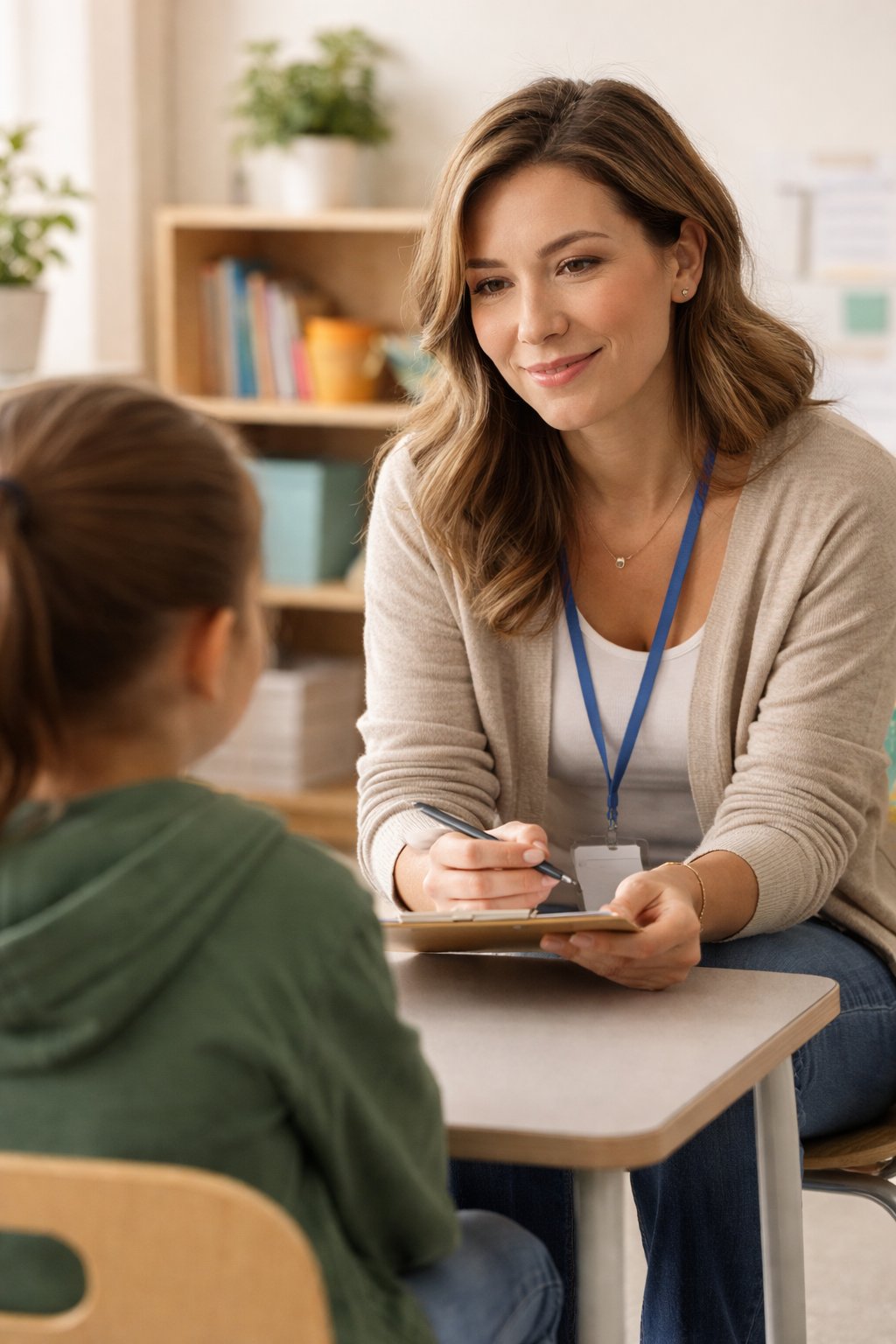
School counselor using Empathy Builder Lab
Children building empathy and friendship

Everything included for $19.

One payment. Instant access. No subscription.

🖥️

Full 45-Screen Program

Four structured phases guiding children from self-awareness through empathy in action. Interactive and self-paced throughout.

🧠

Emotional Vocabulary Builder

Children learn to name a wide range of emotions accurately — the foundation of all emotional intelligence.

🤝

Perspective-Taking Practice

Guided exercises in understanding how others experience situations differently — with relatable real-life scenarios.

💬

Kind Response Skills

Practical language and actions for responding to others' emotions with genuine empathy — not just politeness.

📱

Any Device Access

Phone, tablet, laptop, or desktop. No download. Progress saves automatically. Lifetime access.

🌐

Home, School & Counselling Use

Suitable for individual use at home, classroom use, or use in counselling sessions. No training required.

"Empathy is not something children either have or don't have. It is a skill that grows with guided practice."

Empathy Builder Lab is designed for use at home, in classrooms, or in 1-on-1 counselling settings. Children can work through it independently or alongside an adult. No prior training or psychology background required.

Ideal for 1-on-1 counselling — engaging and interactive on any device

Perfect for guided parent-child activity at home — builds connection as it teaches

Suitable for classroom learning — can be cast to TV or shown on a shared screen

No worksheets, no flashcards, no clutter — a clean, engaging digital experience

Parent and child working through Empathy Builder Lab
Benne Hart — Brave Feelings Lab

"Empathy doesn't ask children to stop having their own feelings. It asks them to make space for someone else's too. That is a skill — and like all skills, it can be taught, practiced, and grown. Empathy Builder Lab gives children a guided place to start."

Benne Hart
Creator, Brave Feelings Lab
Empathy Builder Lab is an educational program. It is not therapy, medical treatment, or a substitute for professional mental health care.

Frequently Asked Questions

Ages 5–12. The language, activities, and scenarios are calibrated for this age range. Younger children (ages 4–5) may benefit from working through it alongside a parent.
The 45-screen program can be completed in 2–4 sessions. It is entirely self-paced — progress saves automatically and children can stop and return at any time.
Yes. Empathy Builder Lab works on any device and can be cast to a classroom TV or shown on a shared screen. It is used by parents, teachers, school counsellors, and homeschooling families.
No. Empathy Builder Lab is an educational emotional wellness program. It is not therapy or a substitute for clinical care.
After purchase, Payhip delivers a PDF to your email with a program link and private access code. Open on any device, enter the code, and begin immediately.
All sales are generally final because the program delivers instant digital access. For technical access issues, contact support@bravefeelings.com within 48 hours.

Give your child the gift of genuine connection.

45 guided screens · 4 phases · Empathy in action · Lifetime access

$19
one-time purchase · no subscription · lifetime access
🔒 Secure
⚡ Instant
🌐 Any browser
♾️ Lifetime

Questions? support@bravefeelings.com